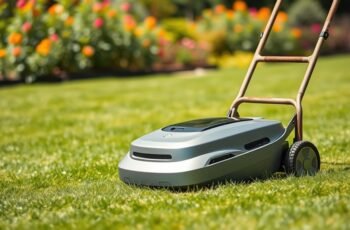
Studies show that robotic mowers substantially reduce injuries compared to traditional ride-on models, which pose higher risks due to exposed blades and moving parts. While robotic mowers offer safety features like obstacle detection and automatic shutdown, ride-on mowers require careful operation and protective gear. Understanding these safety differences is essential, especially for families and pet owners. But which mower type actually provides the better safety profile, and what precautions can we take? Let’s examine the key factors.
Key Takeaways
- Robot mowers have sensors and automatic safety features reducing collision and injury risks, unlike ride-on mowers with exposed blades requiring manual caution.
- Ride-on mowers depend on physical guards and user vigilance, increasing injury potential from blades and moving parts.
- Regular maintenance and yard inspection are vital for both mower types to prevent malfunctions and accidents.
- Uneven terrain and wet grass pose safety challenges, requiring careful operation and environment management for both mowers.
- Proper user training, protective gear, and adherence to safety guidelines are essential for safe operation of both mower types.
How Do Robot Mowers and Ride-On Mowers Differ in Safety Features?
While both robot mowers and ride-on mowers are designed to maintain lawns efficiently, their safety features differ considerably, reflecting their distinct operational mechanisms. A robot mower employs sensors and boundary wires to detect obstacles and prevent collisions, stopping or rerouting when necessary. Its safety system includes blade shut-off if lifted or tilted, minimizing injury risks. Conversely, a ride-on mower relies on physical guards and emergency stop buttons, which require manual activation. Its safety features depend heavily on operator vigilance and proper maintenance. The robot mower’s automated sensors provide continuous, real-time obstacle detection, while the ride-on mower’s safety measures are more static and manual. Understanding these differences helps identify the unique safety considerations inherent to each mower type, emphasizing cautious operation and appropriate safety protocols.
What Are the Common Risks Associated With Robot Mowers?
Robot mowers, despite their automation and convenience, present several common risks that users must carefully consider. Poor mower design can lead to malfunctioning blades or navigation errors, increasing the risk of injury or damage. Additionally, inadequate user training often results in improper operation, such as mishandling the device or ignoring safety zones. Mechanical parts may pose cutting hazards if maintenance isn’t performed correctly. Limited obstacle detection can cause the mower to collide with objects or people, especially if users aren’t familiar with its boundaries. These risks highlight the importance of understanding mower design features and ensuring thorough user training. Without proper knowledge, accidents become more likely, emphasizing cautious operation and familiarity with the mower’s capabilities and limitations.
What Safety Precautions Should You Follow When Operating a Ride-On Mower?
When operating a ride-on mower, we must prioritize safety by wearing appropriate gear such as sturdy footwear, eye protection, and hearing protection to minimize injury risks. It’s essential to thoroughly inspect the mower for any mechanical issues before use, ensuring blades are sharp and safety features are functional. Additionally, choosing safe, even terrain and avoiding slopes or obstacles helps prevent accidents and maintains control during operation.
Wear Appropriate Safety Gear
Wearing appropriate safety gear is vital to minimize the risk of injury when operating a ride-on mower. Protective clothing, such as sturdy long pants and close-toed shoes, helps shield your skin from debris and accidental contact with blades. Safety glasses or goggles are essential for protecting your eyes from flying objects, while hearing protection reduces long-term hearing damage. Gloves can offer grip and minor protection but should be used cautiously to avoid entanglement. We also emphasize emergency preparedness—carrying a first aid kit nearby and knowing how to quickly shut down the mower in an emergency. Proper safety gear guarantees you’re prepared for unexpected incidents, reducing injury severity and promoting a cautious, responsible approach to mower operation.
Inspect Mower Before Use
Before starting the mower, we must thoroughly inspect it to guarantee safe operation. First, check the mower blade for any signs of damage, rust, or dullness, as a compromised blade can cause uneven cuts or jamming. Next, examine the power source—whether fuel or battery—to verify it’s secure and functioning correctly; leaks or corrosion indicate potential hazards. Inspect electrical connections and switches to confirm they’re intact and operational. Look for loose bolts, worn belts, or debris that could interfere with moving parts. Confirm that safety features, such as blade guards and emergency shut-offs, are in place and working. This detailed inspection minimizes risks, preventing accidents caused by mechanical failure or malfunction during operation.
Operate on Safe Terrain
Operating a ride-on mower on uneven or unstable terrain considerably increases the risk of tipping or losing control, so we must prioritize evaluating the landscape carefully. We should assess slope gradients and surface stability before starting. Adjusting mowing speed is vital; slower speeds provide better control on hilly or irregular terrain. Monitoring grass length helps prevent strain on the mower and reduces the chance of clippings clogging or clogging, which can cause accidents. Tall or dense grass may hide obstacles or uneven patches, so trimming to a manageable height first is advisable. Always stay alert to changes in terrain, and avoid mowing on excessively steep slopes or loose surfaces. Precision and caution in maneuvering on safe terrain are necessary to guarantee safe operation and prevent accidents.
How Do Safety Technologies Enhance Robot Mower Security?
Safety technologies considerably improve the security of robot mowers by incorporating advanced sensors and real-time monitoring systems that detect obstacles, humans, and pets. These sensors continuously scan the environment, allowing the mower to respond promptly to unexpected objects or movement, reducing collision risks. When an obstacle is detected, the mower can halt or navigate around it, minimizing potential accidents. Security alarms integrated into the system alert users immediately if tampering or unauthorized access occurs, enhancing overall security. These alarms act as a deterrent against theft and guarantee prompt user notification of any suspicious activity. By combining advanced sensors with security alarms, robot mowers become more reliable and safer, offering peace of mind without compromising efficiency or coverage.
What Are the Key Safety Considerations for Ride-On Mower Users?
When operating a ride-on mower, wearing proper protective gear such as eye protection, gloves, and sturdy footwear is essential to minimize injury risks. Adhering to safe operating practices, like avoiding sharp turns or mowing on steep slopes, helps prevent accidents. We must remain vigilant and methodical to guarantee safety remains the top priority during use.
Proper Protective Gear
Wearing the appropriate protective gear is essential for minimizing risks and preventing injuries during ride-on mower use. Protective clothing, such as sturdy long pants, close-toed shoes, and gloves, shields against cuts, debris, and contact with hot surfaces. A helmet or safety glasses are critical for eye and head protection, especially in environments with flying objects or low-hanging branches. Emergency preparedness also involves having a first aid kit nearby and knowing how to quickly shut down the mower in an emergency. Carefully selecting and consistently wearing this gear reduces the severity of potential injuries. It’s imperative to evaluate the environment and tasks to guarantee the protective equipment is suitable. Vigilance in protective gear use forms a key layer of safety in ride-on mower operation.
Safe Operating Practices
To operate a ride-on mower effectively and reduce the risk of accidents, we must adhere to a set of key safety practices rooted in careful planning and attentiveness. We should always inspect the mower before use, ensuring blades are sharp and safety shields are in place. Engaging autonomous navigation systems requires verifying their functionality and setting clear boundaries to prevent unintended movement into hazardous areas. Battery safety is critical; we must handle batteries carefully, avoiding sparks or short circuits, and ensure proper charging procedures. During operation, we keep bystanders at a safe distance and stay alert to terrain changes that could cause instability. Regular maintenance and adherence to manufacturer guidelines are essential to maintain safe operation and prevent malfunctions that could lead to accidents.
Which Mower Type Is Safer for Families and Pets?
Which mower type offers greater safety for families and pets? When evaluating safety, we consider several factors. First, robotic mowers excel in child safety with built-in sensors and obstacle detection, reducing accidental injuries. Second, their emergency shutdown features activate if a sensor detects a person or pet nearby, preventing harm. Third, ride-on mowers pose higher risks due to exposed blades and larger moving parts, increasing injury potential. While robotic models prioritize safety through automated stops and minimized physical hazards, ride-on mowers require cautious operation and supervision. For households with children and pets, robotic mowers generally provide a safer environment, thanks to their cautious design and emergency shutdown capabilities. Nonetheless, vigilant use remains essential for all mower types.
How Can Proper Maintenance Reduce Mowing Accidents?
Proper maintenance of mowing equipment plays a crucial role in minimizing accidents and guaranteeing safe operation. Regularly inspecting the robot mower’s blades, sensors, and wheels helps prevent malfunctions that could cause unpredictable movements or damage. For ride-on mowers, checking fluid levels, belts, and safety switches ensures peak performance and reduces the risk of mechanical failure. Dull blades on either mower type can lead to uneven cutting and potential jams, increasing safety hazards. Keeping the mower clean from debris prevents obstruction of sensors and moving parts. Additionally, promptly addressing any electrical or mechanical issues avoids sudden breakdowns during operation. By adhering to manufacturer maintenance schedules and conducting cautious inspections, users greatly decrease the likelihood of accidents, making each mowing session safer for everyone involved.
What Are the Best Practices for Safe Mower Use in Different Yard Conditions?
Understanding how yard conditions influence mower safety is essential for preventing accidents and ensuring efficient operation. Different terrains and weather conditions require tailored approaches. For example, uneven ground increases the risk of tipping, so remote monitoring becomes vital to detect and respond to hazards promptly. Wet or damp grass can impair traction, making it essential to adjust mowing speed accordingly. Additionally, in areas with dense foliage or debris, inspecting the yard before mowing reduces the chance of damage or injury. Battery safety is especially important in varied conditions; overexertion in hot weather can lead to overheating, while debris can cause electrical issues. Always follow manufacturer guidelines for each yard condition, and stay vigilant to adapt practices as needed for maximum safety.
How Do You Choose the Safer Mowing Option for Your Lawn?
Selecting the safest mowing option for your lawn requires careful consideration of your yard’s specific conditions and your safety priorities. We need to evaluate how each mower impacts lawn aesthetics, ensuring the chosen method maintains visual appeal without compromising safety. For example, ride-on mowers may offer superior mowing efficiency on large, flat areas, but pose higher risks around children or obstacles. Conversely, robot mowers excel in precision, reducing manual handling and accident potential, though they may struggle with complex terrain or dense vegetation. To make an informed choice, assess factors like yard size, terrain complexity, and safety concerns. Balancing lawn aesthetics with safety involves understanding each mower’s limitations and strengths, enabling you to select an option that aligns with both your lawn’s needs and your safety priorities.
Frequently Asked Questions
Are Robot Mowers Safe for Use Around Children and Pets?
We believe robot mowers are generally safe around children and pets if you supervise children, keep pets away during operation, and guarantee the mower’s safety features are active. Caution and vigilance remain essential for secure interactions.
How Do Weather Conditions Affect Mower Safety?
Weather hazards can turn mowing into a minefield; rain, snow, or fog threaten safety, especially with seasonal impacts that compromise visibility and traction. We stay cautious, adjusting schedules to prevent accidents and guarantee effective, safe operation.
Can Robot Mowers Accidentally Damage Underground Utilities?
Robot mowers can accidentally damage underground utilities if they lack accurate utility detection and underground mapping. We advise thorough pre-mowing assessments, using reliable detection technology, and updating maps regularly to minimize risks and guarantee safe operation around underground utilities.
What Safety Features Are Typically Missing in Older Mower Models?
Older mower models often lack advanced safety features like battery safety mechanisms and blade protection, making them riskier. We advise cautious use, as these missing features increase the chance of accidents, especially if users aren’t familiar with proper safety protocols.
How Do Manual Emergency Stops Work on Robotic Mowers?
Manual emergency stops on robotic mowers instantly activate emergency protocols through a manual shutdown, overriding all functions. This vital safety feature guarantees immediate halt, demanding careful design and precise execution to prevent accidents during unexpected situations or malfunctions.
Conclusion
In weighing safety, it’s clear that robot mowers act as a vigilant guardian, with built-in sensors and automatic shutdowns that minimize risks. Ride-on mowers, while powerful, demand careful operation and protective gear to prevent accidents. Ultimately, selecting the safer option depends on our commitment to maintenance, attentiveness, and understanding each mower’s features. Like steering a well-mapped terrain, informed choices guarantee our lawns remain beautiful and our families stay protected from harm.