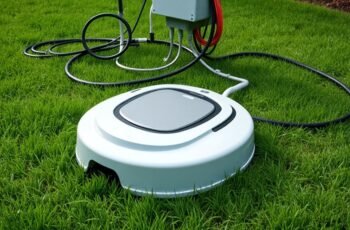
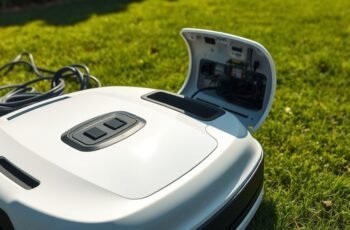
The cost of robot lawn mower charging stations can skyrocket to shocking heights, often making consumers question if the investment is justified. With prices ranging from $100 to $600 depending on features and quality, understanding what drives these costs becomes essential. We’ll examine the key factors influencing pricing, compare basic versus advanced models, and explore whether high-end stations truly offer long-term value—details that could greatly impact your purchasing decision.
Key Takeaways
- Charging station costs range from $100 to over $600, depending on features and build quality.
- Higher-quality stations include advanced power management, communication protocols, and weather resistance.
- Installation expenses, such as electrical wiring and site prep, can significantly add to overall costs.
- Top brands like Husqvarna and Robomow offer stations priced between $150 and $400, with varying warranties.
- Additional features like remote diagnostics and outdoor enclosures increase the price but enhance durability and functionality.
How Much Does a Robot Lawn Mower Charging Station Cost?
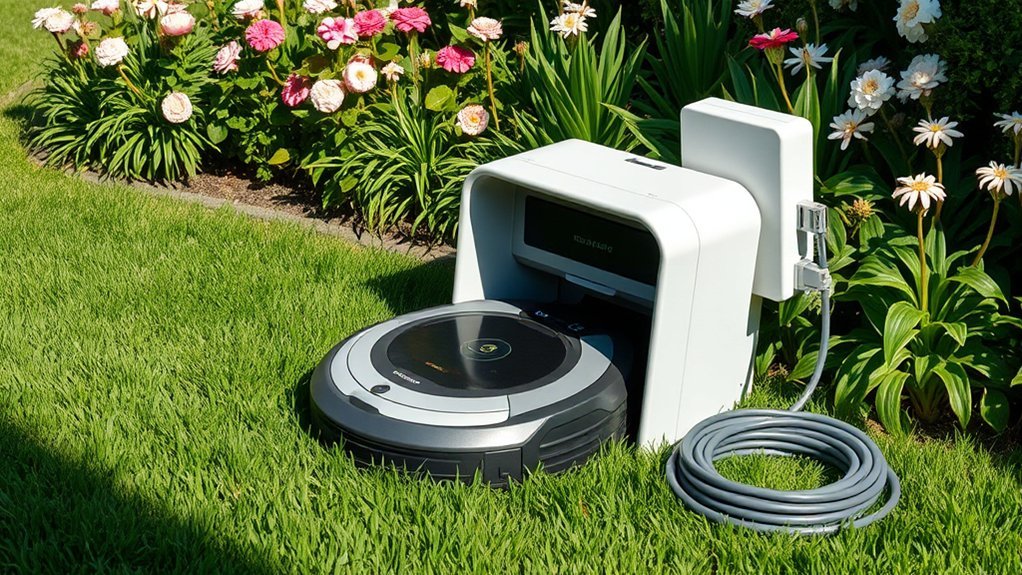
The cost of a robot lawn mower charging station varies considerably depending on features, brand, and compatibility with specific mower models. Higher-quality stations tend to incorporate advanced power management to maximize battery longevity, which can influence price. These stations often include built-in diagnostics to monitor battery health and facilitate maintenance routines, reducing long-term replacement costs. Budget models may lack such features, leading to potentially higher maintenance expenses over time. Precise energy regulation and durable materials are essential for consistent charging performance, directly affecting station cost. Investing in a more sophisticated station can enhance battery longevity and streamline maintenance routines, ultimately providing better value. Consequently, pricing reflects not only initial purchase but also the station’s capacity to support optimal mower operation over its lifespan.
Factors That Influence Charging Station Prices for Robot Mowers
The cost of robot mower charging stations is primarily influenced by material quality, construction durability, and design. Compatibility with various mower models and integration of advanced features also considerably impact pricing. Understanding these factors helps in evaluating value and making informed purchasing decisions.
Material and Build Quality
Materials and build quality substantially impact the cost of robot lawn mower charging stations because higher-grade components typically offer increased durability and resistance to environmental stressors. Material durability is essential, as stations exposed to weather require corrosion-resistant metals or robust plastics to guarantee longevity. Build aesthetics also influence pricing, as sleek, modern designs often use premium finishes and precise manufacturing techniques, enhancing visual appeal and perceived value. High-quality materials reduce maintenance needs and prevent premature failure, which justifies higher costs. Conversely, lower-grade components may lower initial investment but can lead to frequent repairs or replacements. Ultimately, investing in superior material durability and refined build aesthetics results in a more resilient, visually appealing unit that maintains functionality over time, albeit at a higher upfront cost.
Compatibility Features
Compatibility features profoundly influence the cost of robot lawn mower charging stations by determining their ability to seamlessly integrate with various mower models and systems. These features hinge on ideal robot design, ensuring adaptable docking interfaces and communication protocols. Compatibility also impacts energy efficiency, as well-designed stations can more effectively communicate with multiple models, reducing power waste during charging cycles. Variations in compatibility requirements lead to increased manufacturing complexity and cost, especially when supporting diverse communication standards or physical connectors. Additionally, advanced compatibility can future-proof the system, accommodating upgrades or new mower models without requiring complete replacements.
- Support for multiple communication protocols (e.g., Bluetooth, Wi-Fi)
- Flexible docking and charging connectors
- Software integration for various mower brands
- Adaptability to different energy consumption profiles
Additional Functionalities
Beyond basic compatibility, additional functionalities substantially influence the overall cost of robot lawn mower charging stations. Features such as advanced power management enhance power efficiency, reducing energy consumption and operational costs over time. Incorporating intelligent charging algorithms can extend battery longevity by optimizing charging cycles, which, in turn, prolongs mower lifespan and minimizes replacement expenses. Some stations offer remote monitoring and diagnostics, providing real-time data that improves maintenance schedules and prevents system failures. These enhancements, while increasing initial investment, deliver long-term savings through improved efficiency and durability. Ultimately, the inclusion of advanced functionalities reflects a strategic balance between upfront costs and ongoing operational benefits, emphasizing the importance of considering these factors when evaluating charging station options.
Comparing Basic and Advanced Charging Stations: What Are the Price Differences?
When comparing basic and advanced charging stations, we observe significant variations in price ranges driven by differing feature sets and technological capabilities. These differences impact long-term investment value, as more sophisticated stations often offer enhanced efficiency and connectivity. Evaluating these factors helps determine the most suitable balance between initial cost and operational benefits for different user needs.
Price Range Variations
How do the price points of basic and advanced robot lawn mower charging stations compare? Basic units typically fall within the $100–$200 range, offering essential functionality with limited features. Advanced stations, often priced between $300–$600, incorporate faster charging speeds and optimized power management to extend battery lifespan. The price variation reflects differences in build quality, durability, and integrated technology, which directly impact operational efficiency. Higher-end models may include smarter power regulation, reducing cycle times and minimizing battery wear over the long term. This cost disparity influences total ownership expenses by affecting maintenance frequency and battery replacement intervals. Consequently, understanding these price range variations helps in selecting a station that balances initial investment with operational longevity and performance.
- Price range: Basic ($100–$200) vs. Advanced ($300–$600)
- Impact on charging speed and efficiency
- Effect on battery lifespan and maintenance costs
- Investment return based on performance and durability
Feature Set Differences
While basic and advanced robot lawn mower charging stations share the core function of recharging batteries, their feature sets differ markedly, directly influencing their price points. Advanced stations often include features such as faster charging times, integrated diagnostics, and enhanced safety protocols, which can extend battery longevity through improved power delivery. Additionally, they typically come with superior warranty coverage, reflecting higher build quality and ongoing support. Basic stations usually provide essential charging functions without these enhancements, resulting in lower costs but potentially reduced battery lifespan over time. The inclusion of intelligent features in advanced stations justifies their higher price, as they help maintain excellent battery health and minimize maintenance costs. Ultimately, the feature set directly impacts the station’s performance, warranty, and long-term value.
Long-Term Investment Value
Investing in a robot lawn mower charging station requires evaluating the long-term costs and benefits associated with each type. Basic stations tend to have lower upfront prices but may impact battery longevity and increase maintenance costs over time. Advanced stations often feature smarter charging algorithms, which optimize battery health and reduce wear, leading to longer-lasting batteries. They may also incorporate diagnostics and remote monitoring, minimizing maintenance expenses. The price difference between basic and advanced stations reflects these added benefits, but the overall investment can be justified by lower long-term operational costs and improved mower performance. Careful analysis of initial costs versus ongoing savings is essential for making an informed decision.
- Lower initial cost but potential increased maintenance
- Enhanced battery longevity with advanced features
- Reduced maintenance costs through diagnostics
- Overall savings outweigh higher upfront investment
Are DIY Charging Stations a Cost-Effective Alternative?
Although building a DIY charging station for a robot lawn mower can seem appealing from a cost perspective, its overall cost-effectiveness depends on several factors. Engaging in DIY projects may reduce initial expenses, but the complexity of electrical components and safety considerations can increase costs if not properly managed. Technical knowledge is vital to guarantee proper wiring, grounding, and compatibility with the mower’s charging requirements. While DIY gardening tips often include creating custom solutions, these may lack the durability and reliability of commercially manufactured stations. In addition, unforeseen troubleshooting or modifications can escalate expenses. Consequently, evaluating the long-term reliability and potential maintenance costs is essential when considering DIY options versus commercially available charging stations, especially for those prioritizing efficiency and safety.
How Installation Costs Impact the Overall Expense of Charging Stations
Installation costs considerably influence the total expense of robot lawn mower charging stations, often outweighing the initial purchase price. These costs are shaped by factors like installation complexity and the need to optimize battery longevity through proper setup. Complex installations require specialized labor, increasing expenses, while improper setup can reduce battery lifespan, leading to higher long-term costs.
- Site preparation and electrical wiring
- Foundation and mounting requirements
- Permits and regulatory compliance
- Professional labor and expertise
These elements directly impact the overall investment, where higher complexity elevates costs but can also enhance system reliability. Carefully evaluating installation requirements helps balance upfront expenses against potential benefits like improved battery longevity and minimized future maintenance.
Top Brands and Their Pricing for Robot Lawn Mower Charging Stations
When evaluating robot lawn mower charging stations, identifying top brands and their pricing structures is essential for making informed decisions. Pricing varies based on brand reputation, battery longevity, and warranty coverage. Premium brands like Husqvarna, Gardena, and Worx typically offer stations priced between $200 and $400, often including extended warranties that cover battery degradation and station malfunctions. Mid-tier brands such as Robomow and McCulloch tend to range from $150 to $250, with standard warranties and moderate battery longevity assurances. Lower-cost options generally provide basic features, with prices below $150 and limited warranty coverage.
| Brand | Price Range | Warranty Coverage |
|---|---|---|
| Husqvarna | $200-$400 | Extended, up to 3 years |
| Robomow | $150-$250 | Standard, 1-year warranty |
| McCulloch | <$150 | Limited, 6-month warranty |
Additional Features That Can Drive Up Charging Station Costs
Enhanced charging stations often incorporate advanced features that can markedly increase their costs. These features enhance functionality but also impact overall expenses. For example, integrated battery maintenance systems help prolong battery life and guarantee peak performance, which can add to the initial investment. Extended warranty coverage offers protection against malfunction and reduces long-term repair costs, but typically raises upfront prices. Additional features include:
Enhanced charging stations with advanced features boost costs but ensure durability and long-term performance.
- Automated diagnostics for early fault detection
- Connectivity for remote monitoring and updates
- Weather-resistant enclosures for outdoor durability
- Power surge protection to safeguard electrical components
While these features improve reliability and convenience, they contribute to higher upfront costs, reflecting the value of added protection and longevity in the charging station’s design.
Tips to Save Money When Purchasing a Charging Station
To maximize savings when purchasing a robot lawn mower charging station, it’s essential to compare models based on core functionality rather than optional features that may not be necessary for your specific needs. Focusing on battery longevity ensures the station maintains ideal charging cycles, reducing replacement costs over time. Additionally, evaluating warranty coverage provides insight into long-term support and potential repair expenses, preventing unforeseen costs. Cheaper models may compromise on these factors, leading to increased maintenance or early replacement. By prioritizing robust battery management and thorough warranty terms, we can secure a cost-effective solution that minimizes total ownership costs. This strategic approach ensures that initial investment aligns with durability and support, ultimately delivering better value without unnecessary expenditure.
Is Investing in a High-End Charging Station Worth the Price?
Investing in a high-end charging station can offer significant benefits, but its value depends on the specific demands of your robotic lawn mower system. Enhanced stations often provide faster recharge times, improved battery management, and extended battery life, which directly impacts lawn coverage efficiency. These advanced features can reduce downtime and ensure consistent mowing, especially for larger areas. However, the cost premium must be justified by your lawn’s size and the mower’s performance needs.
- Increased battery longevity reduces replacement frequency
- Faster charging accelerates mowing schedules
- Optimized power management improves lawn coverage
- Enhanced durability minimizes maintenance costs
Ultimately, the decision hinges on balancing initial investment against long-term savings and performance gains, especially if your lawn requires frequent, extensive mowing.
Frequently Asked Questions
What Is the Average Lifespan of a Robot Lawn Mower Charging Station?
We find that a robot lawn mower charging station typically lasts 3-5 years, depending on battery lifespan and power consumption. Regular maintenance and environmental factors influence longevity, ensuring consistent performance and efficiency over its operational lifetime.
Do Charging Stations Require Regular Maintenance or Replacement Parts?
Charging stations generally need minimal maintenance, but we recommend regular battery replacement and checking power surge protection to guarantee ideal performance and longevity, especially in fluctuating electrical environments.
Are There Compatibility Issues Between Different Robot Mower Brands and Charging Stations?
Compatibility issues can arise due to differing brand compatibility and charging station standards, so we recommend thoroughly verifying each mower’s specifications against the station’s requirements to guarantee peak performance and avoid technical conflicts.
How Does Weather Resistance Affect the Cost of Outdoor Charging Stations?
Coincidentally, weather resistance notably influences the cost; using weatherproof materials increases expenses but enhances durability and performance, reducing long-term maintenance costs. This technical trade-off is essential for outdoor charging stations exposed to diverse weather conditions.
Can a Charging Station Increase the Overall Efficiency of My Robot Mower?
A charging station can boost your robot mower’s efficiency by optimizing battery capacity utilization and reducing power consumption during charging cycles, ensuring quicker turnaround times and extended operational periods, ultimately maximizing productivity and reducing energy costs.
Conclusion
In steering the landscape of robot lawn mower charging stations, understanding the intricacies of cost and features is like charting a course through a technical maze. While premium stations may seem like a steep climb, their advanced diagnostics and durability are akin to having a reliable compass guiding long-term efficiency. We believe that strategic investments, coupled with careful comparison, turn this complex terrain into a well-mapped pathway—maximizing value while minimizing unnecessary expenditure.