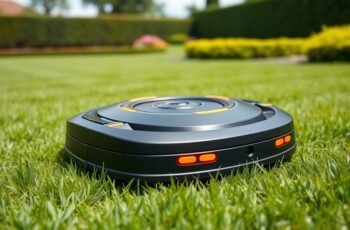
The safety of pets around robotic mowers can sometimes feel like a matter of life and death, with even the smallest oversight leading to potential injuries. We understand how important your pets are, and it’s vital to address every safety concern carefully. Ensuring their well-being requires more than just hope — it demands a strategic approach. So, let’s explore how you can create a secure environment that protects your furry friends without compromising your yard’s maintenance needs.
Key Takeaways
- Equip robotic mowers with sensors and automatic stop features to detect and avoid pets effectively.
- Use physical barriers and fencing to create designated safe zones and prevent pet access to mowing areas.
- Train pets with commands and positive reinforcement to stay clear of the mower’s path.
- Supervise pets during mowing and respond calmly if they approach the mower.
- Regularly maintain safety features and create a calm, secure environment to minimize pet stress and injury risks.
How Do Robotic Mowers Ensure Pet Safety?
How do robotic mowers guarantee pet safety? They rely on advanced autonomous navigation combined with sensor technology to detect pets and prevent accidents. These mowers are equipped with multiple sensors that monitor their surroundings in real-time, identifying pets or obstacles nearby. When a pet approaches, the mower’s sensors trigger an immediate response, often stopping or rerouting to avoid contact. The autonomous navigation system ensures precise movement, minimizing the risk of accidental injury. Manufacturers design these features with caution, prioritizing safety by continuously updating sensor algorithms to improve detection accuracy. While not infallible, this combination of autonomous navigation and sensor technology considerably reduces the chances of harm, making robotic mowers a safer option for households with pets.
Tips for Keeping Pets Away During Mowing Sessions
To make sure pets remain safe during mowing sessions, it’s essential to take proactive measures to keep them away from the mower’s path. We recommend combining pet training with physical barriers like fences to create a secure zone. Proper pet training teaches animals to stay clear of the mowing area, reducing risk. Fence barriers provide a physical boundary, ensuring pets cannot wander into the mower’s path. Here’s a quick visual:
| Pet Training Strategies | Fence Barrier Options |
|---|---|
| Use commands like “stay” or “leave” | Install a sturdy, enclosed fence |
| Reward safe behavior | Use temporary fencing during mowing |
| Consistent reinforcement | Ensure barriers are high enough to contain pets |
| Supervise during training | Regularly inspect fences for gaps |
This combination minimizes hazards and promotes safety during each session.
Choosing Pet-Friendly Robotic Mower Features
Choosing the right robotic mower involves considering features that prioritize pet safety, such as quiet operation and safe blade design. Quiet motors reduce noise that could startle or stress pets, while safety blades minimize injury risks if contact occurs. We recommend carefully evaluating these features to guarantee a safe and pet-friendly mowing experience.
Quiet Operation Benefits
Have you considered how the noise level of a robotic mower can impact your pets’ comfort and safety? Reduced noise benefits both environment and animal well-being, minimizing stress and sudden startle responses. Sound insulation features can further buffer disruptive sounds, creating a calmer yard atmosphere.
| Benefit | Explanation |
|---|---|
| Noise reduction | Less disruptive, promotes pet relaxation |
| Sound insulation | Diminishes sound transmission to indoor spaces |
| Quiet operation design | Ensures minimal disturbance during mowing |
| Reduced stress levels | Less noise leads to calmer pets |
| Improved safety | Lower noise reduces startle responses, preventing accidents |
Prioritizing quiet operation features guarantees a pet-friendly environment, fostering safety and comfort.
Safe Blade Design
What makes a robotic mower’s blade design safe for pets? Primarily, blade sharpness plays a pivotal role; dull blades reduce the risk of injury if contact occurs. Sharp blades cut efficiently but are less likely to cause harm compared to jagged or overly sharp edges. Equally important are safety sensors that detect pet movement or obstacles, prompting the mower to stop immediately. These sensors act as an essential safeguard, preventing accidental contact with animals. Manufacturers should prioritize blades with rounded edges and incorporate reliable safety sensors to minimize injury risks. Regular maintenance is also essential to ensure these safety features function correctly. By focusing on blade sharpness and advanced safety sensors, we can better protect our pets while maintaining effective lawn care.
Setting Up Your Yard for Pet Safety Around Robots
To assure your pet’s safety around a robot mower, we must carefully prepare the yard before operation begins. A well-designed garden landscape minimizes pet behavior that could lead to accidents. Start by defining clear boundaries, such as fencing or natural barriers, to keep pets away from the mowing area. Remove debris or objects that could cause confusion or trips. Consider dividing your yard into zones to control pet movement and restrict access to the mower’s path.
| Zone | Purpose |
|---|---|
| Main lawn | Mowing area, free of obstacles |
| Pet play area | Safe space away from mower |
| Restricted zone | Off-limits, clearly marked |
This setup ensures a cautious approach to pet safety, reducing risks during robot mower operation.
What to Do If Your Pet Gets Too Close to the Mower?
If your pet gets too close to the mower, it’s important to stay calm and quickly evaluate the situation. Safely remove your pet from the mower’s path without causing distress, and guarantee they are secure before restarting or turning off the device. Moving forward, take steps to prevent future encounters by adjusting the mower’s boundaries and supervising the area more closely.
Stay Calm and Assess
When you notice your pet is getting too close to the mower, it’s essential to stay calm and avoid sudden movements. An emotional response can escalate the situation, so it’s important to maintain composure. Take a deep breath and use calming techniques—speak softly, avoid loud noises, and keep your body language steady. Assess your pet’s behavior carefully: are they curious, frightened, or agitated? Your calm demeanor can help de-escalate their curiosity or anxiety. Remember, quick reactions or panic may increase your pet’s distress or provoke unpredictable actions. Stay focused, keep a safe distance, and think clearly about your next steps. Your composed response is vital to ensuring safety for both your pet and yourself.
Remove Pet Safely
Should your pet come too close to the mower, we must act quickly and carefully to remove them safely. First, remain calm to avoid startling your pet. Gently guide them away using calm commands, if possible, or calmly block their path. Never attempt to pull or carry them abruptly, as this could cause injury. It’s essential to reinforce pet training to prevent future incidents and use fencing solutions to create a secure boundary around the mowing area. These measures help keep your pet at a safe distance and reduce the risk of accidental injury. Always supervise your pet during mowing sessions until you’re confident they understand boundaries. Consistent training and proper fencing are key to maintaining a safe environment for both your pet and your mower.
Prevent Future Encounters
To prevent future encounters where your pet gets too close to the mower, establishing clear boundaries and consistent training is essential. Pet training helps your pet understand safe zones and the importance of avoiding the mower area. Using fencing barriers provides a physical boundary that prevents access altogether, reducing the risk of accidental contact. Consistency in reinforcing these boundaries is vital; every day, remind your pet of the limits and reward calm behavior away from the mower. Avoid relying solely on verbal commands; combine training with fencing barriers for maximum safety. Regularly supervise your pet during mower operation until you’re confident they respect the boundaries. These precautions create a safer environment, minimizing the chance of future close encounters with the robot mower.
Creating a Safe, Pet-Friendly Lawn Maintenance Routine
Establishing a safe, pet-friendly lawn maintenance routine requires careful planning and consistent practices. We recommend integrating pet training and leash training into your routine to guarantee pets remain safe and calm during mower operation. Proper pet training helps reduce anxiety and prevents unpredictable behavior near equipment. Leash training can control pets’ movements, keeping them at a safe distance from the robot mower. Before starting, designate a secure, distraction-free space for training sessions. Always supervise pets during lawn maintenance, and use positive reinforcement to encourage calm behavior. Consistency is key; gradually introduce your pets to the mower’s presence, ensuring they associate it with safety. With cautious, deliberate steps, you can create a routine that prioritizes both pet safety and effective lawn care.
Frequently Asked Questions
Can Robotic Mowers Accidentally Harm Small or Exotic Pets?
Robotic mowers can accidentally harm small or exotic pets if they escape pet enclosures or if we don’t supervise the mower properly. We must guarantee pet safety by securing enclosures and constantly monitoring mower activity around sensitive animals.
Are Robotic Mowers Safe for Pets With Special Needs or Disabilities?
Robotic mowers can be safe for pets with special needs if they’re durable and designed to avoid harm. We recommend cautious use, considering pet allergy considerations and closely supervising to guarantee safety, especially for vulnerable or disabled animals.
How Loud Are Robotic Mowers Around Different Types of Pets?
Back in the day, noise levels varied, and we’ve observed that pet reactions differ; some are curious, others scared. We advise cautious monitoring, as loud robotic mowers can startle sensitive pets, affecting their comfort and safety.
Do Robotic Mowers Have Child or Pet Lock Features?
Yes, many robotic mowers feature child lock and pet protection settings, ensuring safety by preventing accidental activation or operation when children or pets are nearby. We recommend choosing models with these safety features for added peace of mind.
What Are the Signs That a Robotic Mower Has Injured a Pet?
A stitch in time saves nine; watch your pet’s behavior closely for signs of injury like limping, whining, or avoiding the mower area. Early detection is key for injury prevention and ensuring your pet’s safety.
Conclusion
Together, we can guarantee our yards are safe havens for both pets and robotic mowers. By following these guidelines, we’re steering clear of potential accidents like a captain steering treacherous waters. It’s essential we stay vigilant, set boundaries, and use pet-friendly features to keep everyone protected. Think of it as planting seeds of safety—nurturing a peaceful, stress-free environment where pets and technology coexist harmoniously, safeguarding what matters most.